
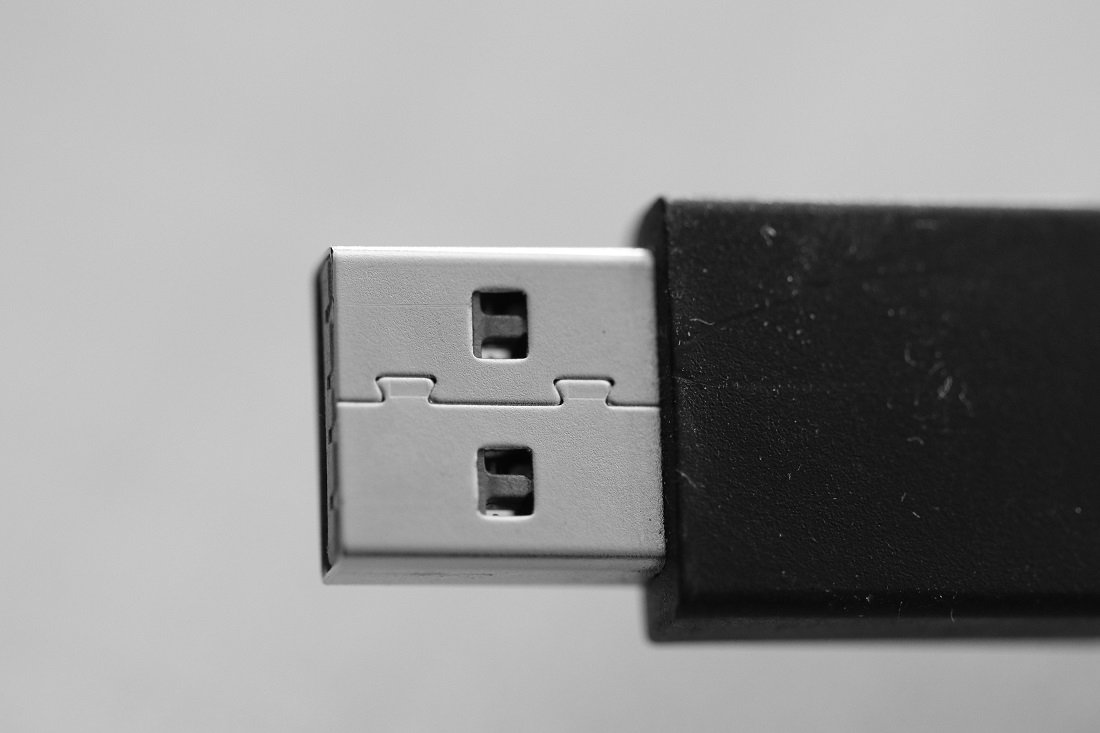
Malware steals cryptocurrency by connecting a USB drive to a computer
Microsoft has identified malware that steals cryptocurrency via USB drives and redirects the funds to the attacker
Microsoft issued an alert regarding cryptocurrency theft through the release of malware when an infected USB drive is connected to a computer.
The attack targets crypto wallets on Windows computers. The threat is particularly novel because it doesn’t involve the user opening a suspicious link; instead, it is triggered by inserting the infected USB drive.
“The worm intercepts stored shortcut files.” Once the user opens a file on a Windows computer, “the system silently runs an installer that places the worm on the computer.”
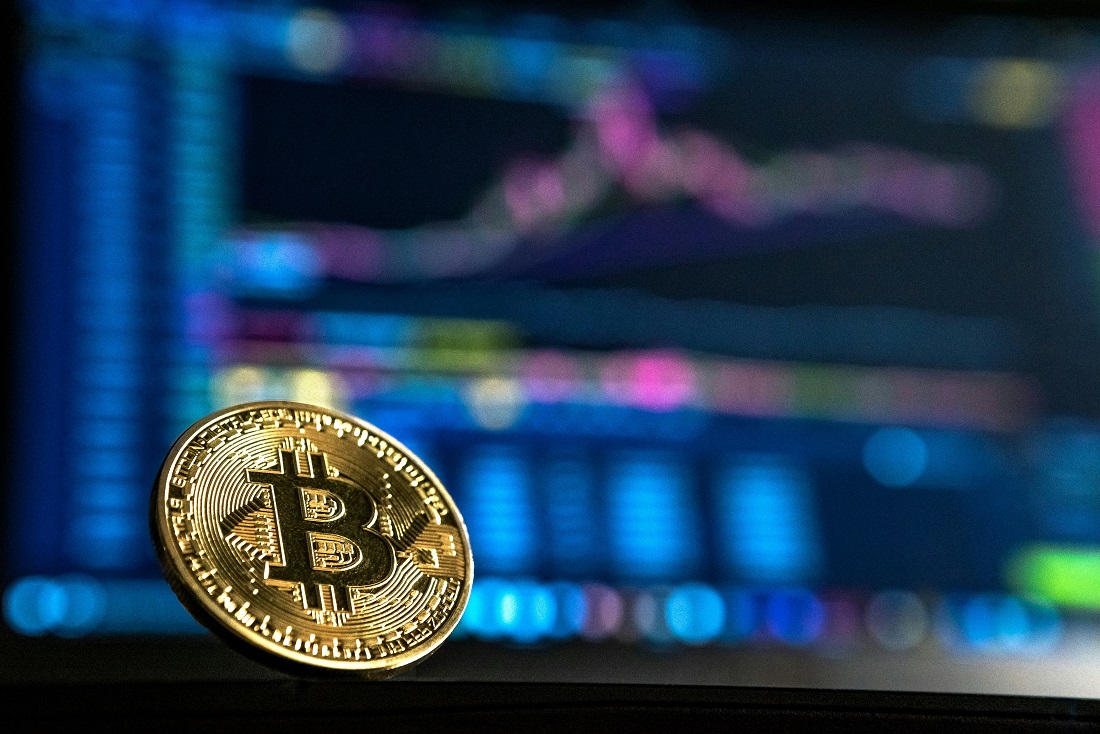
When activated, the malware monitors the Windows clipboard in real time. “Every time it detects a copied crypto wallet address, it replaces it with the attacker’s address. The user believes they are sending funds to the correct address; the real destination is another wallet.”
Copy and paste operations in cryptocurrency transactions such as Bitcoin, Ethereum, XRP, USDT, USDC, and any stablecoin are intercepted.
This worm is more difficult to detect because it operates in the background; there are no pop-up windows to alert the user, and it can only be noticed by reviewing the transaction history on the blockchain.
Experts mention some measures to protect your crypto wallet, such as “always verifying the last four characters of the pasted address before confirming any transfer, comparing them with the address displayed on the recipient’s screen.”
In addition, never connect USB drives of unknown origin to the computers used to manage crypto assets. This warning applies generally to any file query or download.
Furthermore, they recommend “using a hardware wallet with its own screen that displays the destination address independently of the Windows clipboard, since the transaction signature is performed on the physical device and not on the potentially compromised computer.”
M.Pino
Source: cripto247
(Reference image source: Patrick Ladner on Unsplash)
Follow our news on Google! For current, interesting, and accurate information, click here to see all the content on Bitfinance.news. You can also find us on X/Twitter and Instagram
