
Japan performs first experimental transplant to treat Parkinson’s disease
The experimental procedure was performed on a patient at Kyoto University Hospital, who received a transplant of cells derived from brain stem cells to alleviate Parkinson's symptoms
Kyoto University Hospital in Japan performed the first transplant of cells derived from brain stem cells to treat Parkinson’s disease on a patient.
The experimental procedure, known as the Amchepry treatment, is intended to improve the motor symptoms of the disease and offer those affected a better quality of life.
This was announced by the Japanese pharmaceutical company Sumitomo Pharma, “after Japanese health authorities granted the treatment conditional and temporary authorization in March 2026.”
The treatment “uses induced pluripotent stem cells, obtained by reprogramming adult cells so they can become different cell types in the body.”
This technique makes it possible to generate precursor cells that can develop into dopamine-producing neurons. As is known, a decrease in this neurotransmitter is closely related to the symptoms of Parkinson’s disease.
Subsequently, “the cells are implanted in specific areas of the brain with the aim of replacing some of the dopamine-producing neurons lost due to the disease.”
Authorities have indicated that the first clinical trials, with seven patients between 50 and 69 years old, yielded promising results. The pharmaceutical company Sumitomo Pharma expects “to perform transplants on between 20 and 30 patients by March 2029, as part of monitoring the safety and efficacy of the treatment after its authorization. The company is also conducting a clinical trial in the United States.”
M.Pino
Source: euronews
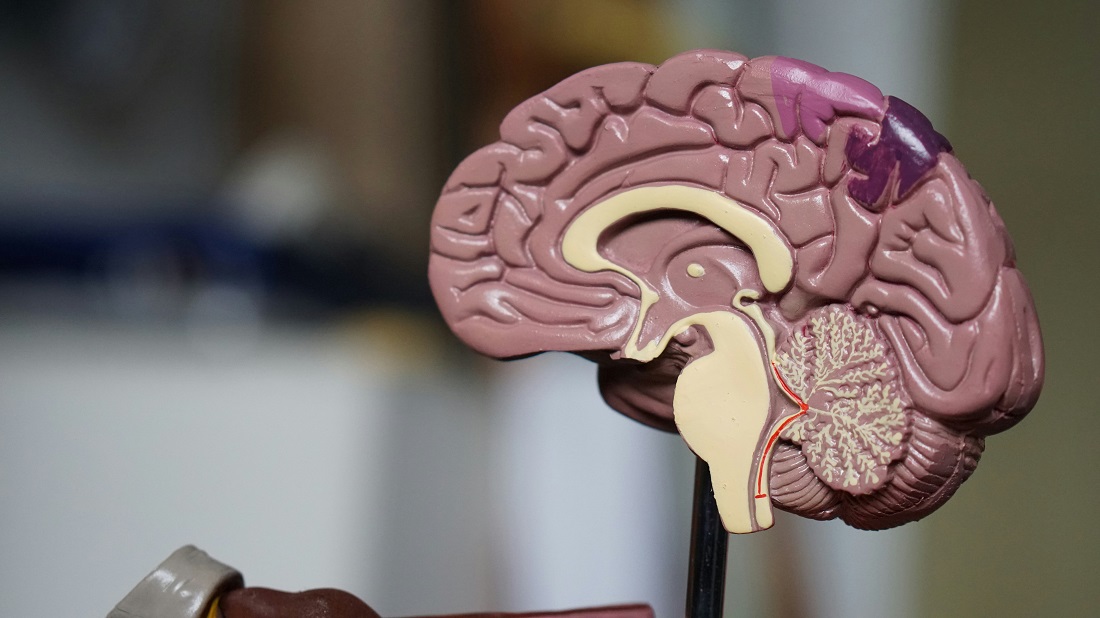
(Reference image source: Robina Weermeijer on Unsplash)
Follow our news on Google! For current, interesting, and accurate information, click here to see all the content on Bitfinance.news. You can also find us on X/Twitter and Instagram
