
European gas reserves at their lowest level in years
European Union member states face their lowest gas reserve levels in many years, with the focus on demand for the upcoming winter season
Recent data from Gas Infrastructure Europe shows the continent is facing its lowest gas reserve levels, raising concerns about replenishing inventories for the winter.
The European Union has two crucial periods for gas supply each year: March, when winter ends and summer begins, and October, when winter begins again. According to the GIE, gas reserves are currently at 61 %, “the lowest level for this time of year in recent years, even lower than that recorded in 2021.”
Gas prices rose in August. And the region is facing a slower-than-necessary filling rate. “The recent pace gives an idea of the challenge. Between early and mid-August, storage capacity increased by an average of 0.27 percentage points per day. If this rate continues, storage levels will reach around 73 % by October 1st. Europe would have to continue injecting gas throughout the autumn to keep rebuilding reserves, coinciding with the gradual increase in demand associated with heating.”
To overcome this predicament, a high rate of injection would be necessary, in addition to ensuring sufficient gas volumes, particularly liquefied natural gas (LNG), which entails a high cost that is passed on to the consumer.
Regarding the European regulatory framework for this sector, it “maintains a 90% filling target.” However, since the “reform of the Gas Storage Regulation, in force since September 2025, this level can be reached at any time between October 1st and December 1st.” A deviation of up to 10 percentage points is permitted when filling conditions are difficult, extendable by an additional five points by the European Commission if these conditions persist. The regulation will be in force until the end of 2027.
In any case, the reserve level for October will be the benchmark for the markets. If storage falls below the levels of recent years, the margin for absorbing a cold winter, lower renewable energy production, or renewed pressure on gas imports is reduced. Furthermore, it contributes to greater volatility in both gas and electricity market prices.
M.Pino
Source: elperiodicodelaenergia
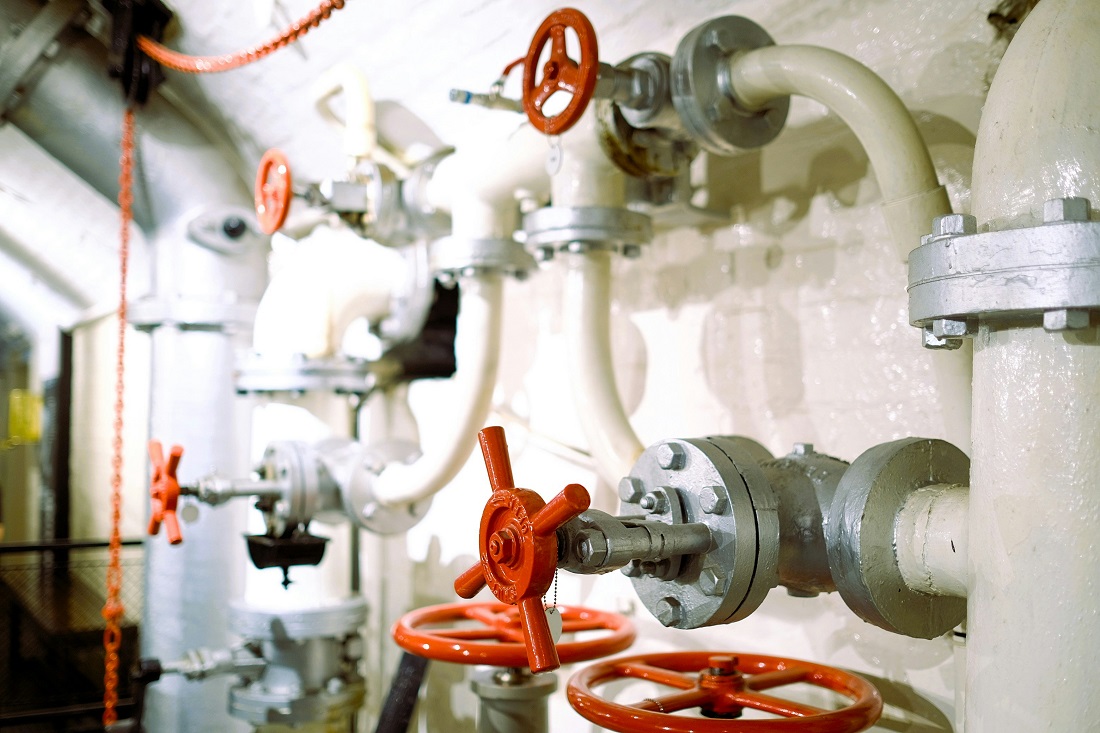
(Reference image source: Sylvain Miklaszewski on Unsplash)
Follow our news on Google! For current, interesting, and accurate information, click here to see all the content on Bitfinance.news. You can also find us on X/Twitter and Instagram
