
IEA predicts first drop in global oil consumption since the Covid-19 pandemic
According to the monthly report of the International Energy Agency (IEA), a drop in global oil consumption is expected this year; the first since the Covid-19 pandemic
The International Energy Agency (IEA) predicts a drop in global oil consumption this year. This would be the first decline in this sector since the Covid-19 pandemic.
According to the agency, for the rest of 2026 global oil consumption will be reduced due to what is happening in the Middle East, with peace negotiations between the United States and Iran that are interrupted by armed events.
“The beginning of the ceasefire agreement between the United States and Iran seemed to give a momentary respite to the hydrocarbon industry, considering the constant rise in the price of a barrel since the beginning of the war in the Persian Gulf. However, the new escalation of hostilities between both nations once again distorted expectations regarding the future of the market.”
Projections for the oil sector in 2027
In addition to pointing out a drop in global crude oil consumption this year of 1,000,000 barrels per day, by 2027 it foresees a recovery and increase to 2,000,000 bpd.
Given the difficulty of achieving a lasting peace agreement and the armed clashes in the Persian Gulf last week, the normalization of oil markets is in doubt.
In June, after the ceasefire between the United States and Iran, the barrel of Brent fell “from $98 to a minimum of $70. The return of the attacks interrupted this decline in prices, which reached $78 in July.”
The agency has indicated that in June global oil supply increased by 4.1 million barrels per day, to 98.8 million in response to “the partial reopening of transit through the Strait of Hormuz. Instead, production remained at about 9.4 million barrels per day below pre-war levels.” Exports from the region also increased from 6.5 million barrels per day to 16.1 million.
Although the agency estimates that there may be a surplus in the oil market towards the end of the current year, “it assured that the forecast is based” on the assumption that oil tanker flows through the strait will gradually recover, allowing producers to restart fields and refineries in the Middle East and elsewhere to resume shipments of products.
M.Pino
Source: rionegro
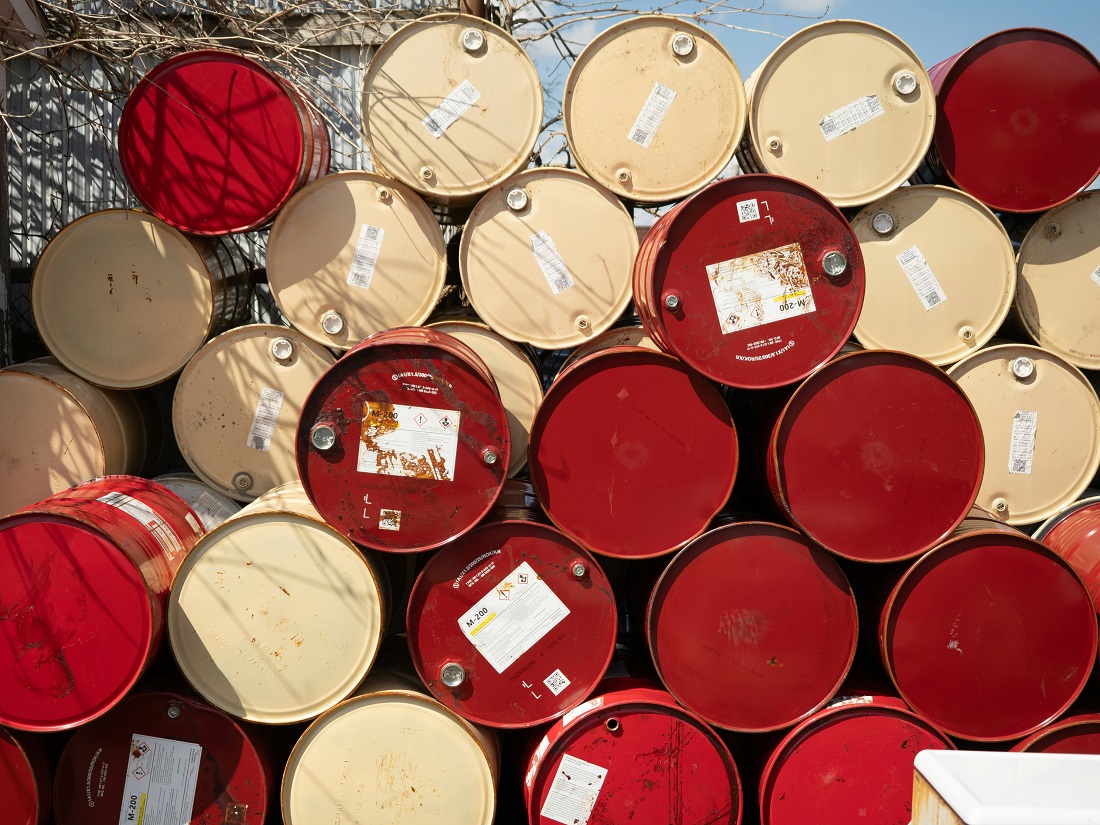
(Reference image source: benjamin lehman on Unsplash)
Follow our news on Google! For current, interesting, and accurate information, click here to see all the content on Bitfinance.news. You can also find us on X/Twitter and Instagram
